
Death, taxes and the endless U.S. electoral cycles are realities that no one and no country can escape. Consequently, friends and allies of America, let alone adversaries, are always adjusting and reacting to the possibilities of either a Democratic or Republican president coming into the White House.
This cycle is no different with a potential President Donald Trump or Kamala Harris. Both have upsides and downsides for America’s allies, including Japan. The question for Japan is how to position its relationship with the U.S. and a new president.
With the election of Trump in November 2016, former Prime Minister Shinzo Abe proactively engaged with his administration to help contribute to shaping its decisions rather than being shaped by them. In many ways, Abe embodied Lao Tzu’s teachings that “a leader is best when people barely know he exists. When his work is done, his aim fulfilled, they will say: We did it ourselves.”
In influencing the U.S. foreign policy under Trump, Abe accrued valuable political capital on the foreign and domestic policy stage. Subsequently, Japan became a leading player in foreign policy, connecting like- and unlike-minded states.
With the uncertainties associated with the U.S.’ never-ending election cycles, Japan should proactively chart its own path rather than react to U.S. electoral outcomes based on the political, cultural, economic, diplomatic and security capital it has earned over the past decade.
What does this mean in practice?
In the political domain, Japan is very much on the same page with Washington regardless of who will be in the White House. Japan is committed to democratic institutions, rule-of-law, freedom of press and having an active civil society, albeit one with Japanese characteristics.
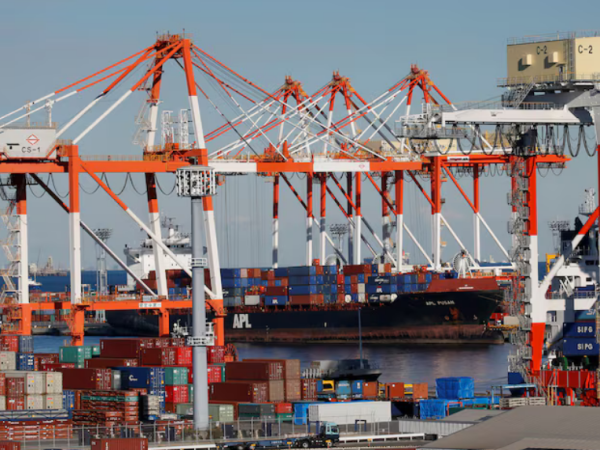
In the economic arena, Tokyo should continue to avoid the isolationism that we are seeing in the U.S. In contrast, even though Japan’s closest ally is eschewing large scale free trade agreements, Tokyo should continue to chart an independent path, embedding Japan in international trading blocs.
Japan is a trading nation and a manufacturing powerhouse that needs access to markets, resources and consumers to sell the goods that it produces. Returning to the ways of the 80s, when Japan had a closed economy, is not a way to chart a prosperous and suitable economy.
As opposed to reacting to the U.S. shifting trade policies, Japan should continue to expand the number of partners that are joining the high-quality trade agreements such as the Comprehensive and Progressive Agreement for Trans-Pacific Partnership.
Having the U.K. in the CPTPP is an asset. Having the Philippines, Thailand and even Ukraine and Taiwan would further enhance this trade agreement’s prestige and attractiveness.
Investing in the U.S. remains crucial for Japan to maintain access to the North American free trade zone. This involves aligning with the next U.S. president’s domestic policies, particularly those supporting the middle class. Japan should focus on contributing to infrastructure and connectivity projects across the U.S., which offers an opportunity to benefit the American public and enhance Japan’s relationship with the U.S. By doing so, Japan can support U.S. prosperity rather than merely competing with it.
This proactive approach can translate into political capital at the state level, whereby governors advocate for Japanese businesses and interests in the U.S. This support could, in turn, bolster the U.S.-Japan alliance and its role in shaping the Indo-Pacific region.
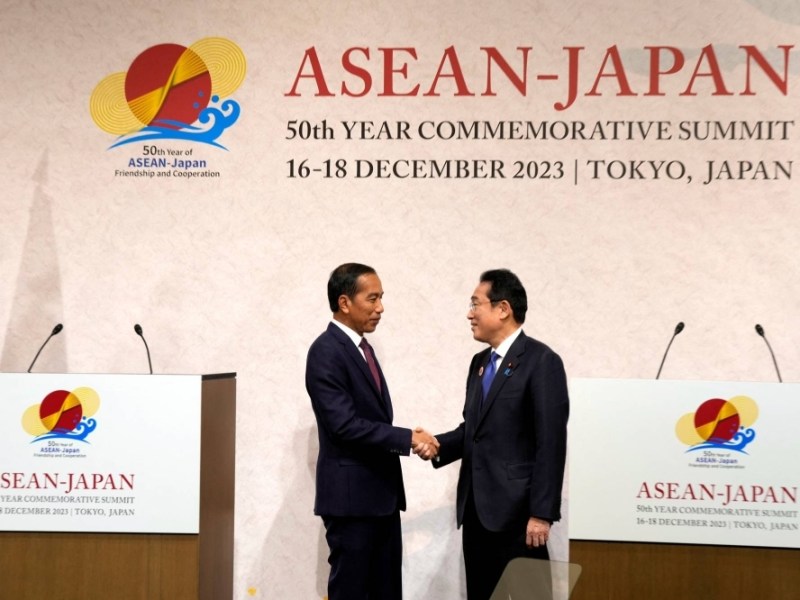
At the diplomatic level, Japan has an advantage in its relationships within the Indo-Pacific. According to a survey on Southeast Asia by a leading research institute, Japan remains one of the most trusted partners of the Association of Southeast Asian Nations. Additionally, India-Japan relations continue to deepen along a path charted by Abe.
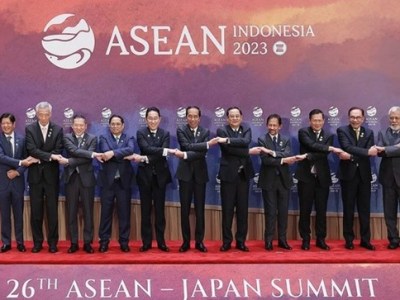
Japan is also a leader in finding ways to recognize the concept of ASEAN centrality while investing in minilateral relationships that focus on regional challenges. For example, Japan is involved in minilateral initiatives that enhance infrastructure and connectivity, such as the Responsible Supply Chain Initiative. Additionally, Japan collaborates with the Philippines and the U.S. on projects related to emerging technology, infrastructure, connectivity and maritime cooperation.
These serve as clear demonstrations of Japan acting as a diplomatic bridge between the U.S. and its regional partners. Tokyo needs to approach this role proactively rather than reactively. The political capital Japan has built over decades through strong relationships with stakeholders in Southeast Asia, India and even Central Europe is crucial. This foundation allows Japan to have a proactive approach to the region and in shaping U.S. behavior, rather than being influenced solely by whoever is in the White House. It enables Japan to shape the Indo-Pacific region by establishing common norms and creating a platform to integrate the U.S. into the region, not just as a security partner but also as an economic and diplomatic player.
Japan also has an important role in the security domain.
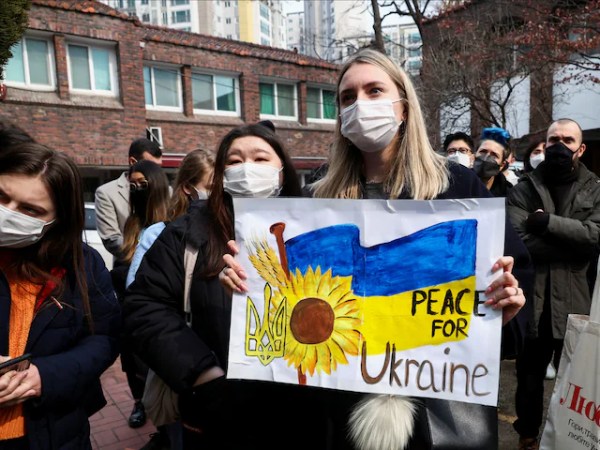
Strengthening the Japan-U.S. alliance through technological cooperation and joint procurement of legacy munitions is crucial. This will ensure that in the event of multiple simultaneous crises, Japan and the U.S. will have sufficient munitions and defense equipment. This readiness will allow them to contribute to peace and security not only in Ukraine, the Korean Peninsula and across the Taiwan Strait but also in regions like the Himalayan plateau and the South China Sea.
Japan should play a crucial proactive role in shaping U.S.-China strategic competition by highlighting that its neighbors benefit from economic relations with China and depend on Chinese economic development and stability. Overemphasizing the security aspects of U.S.-China relations could harm Japan and other key partners, potentially destabilizing the Indo-Pacific region. Therefore, Japan needs to enhance its role as an international adapter state to help maintain overall peace and stability.
Security is achieved not only by deepening cooperation between Japan’s Self-Defense Forces and the U.S. military, expanding their operational scope and investing in technologies to deter China, but also by accurately understanding the region’s needs, China’s strengths and weaknesses and the level of economic integration within the region.
U.S. Indo-Pacific policy will remain consistent regardless of who wins the White House in November. Japan can influence U.S. engagement in the region both before and after the election by leveraging its political, economic, diplomatic and security strengths. This will help the U.S. outcompete China, manage Beijing’s more aggressive tendencies and foster constructive paths for cooperation and engagement.
In the end, proactively preparing and investing in relationships with the U.S. and Japan’s diverse partners will be more cost-effective than attempting to repair strained relations after the fact. A reactive approach could jeopardize Japan’s and the region’s security, given that the U.S. is a cornerstone of their defense.
This article was first published on September 1, 2024, at The Japan Times.
My YouTube Playlist on Japan and the Indo-Pacific
Related Posts




![[The Reality of Middle Power] US and China: “Superpowers” and “Multiple Weak Powers” on Fuji BS’ Prime NEWS](https://nagystephen.com/wp-content/uploads/2026/03/image-7.png?w=1024)
 nagystephen.com
Leave a comment