
Limited by Article 9 of the Japanese Constitution and a trust deficit in East Asia following its Imperial period, Japan’s post-WW 2 engagement in the Southeast Asian region was primarily through overseas development aid (ODA) and foreign direct investment (FDI). ODA represented the first pillar of post-WW 2 diplomacy in the region through the provision of various kinds of loans and assistance to build infrastructure in the region.
This infrastructure was dual purpose. It was meant to contribute to development of the region through creating the foundational infrastructure and connectivity necessary to build a modern economy in the region. At the same time, the infrastructure was also used as a platform for the insertion of Japanese businesses in the region for manufacturing when possible and resource exploitation.
The second pillar of Japanese foreign policy within the region in the post-WW 2 period focused on imports of natural and energy resources to feed Japan’s rapidly growing economy at least until the early 1990s. This post-WW 2 behavior by the Japanese was initially seen by the Southeast Asian states as rapacious yet needed exploitation to rapidly develop their economies. Eventually though, criticisms of Japanese practices in the region waned as ODA and FDI deployed in the region
became known for their commitment to comprehensive development, investment in communities and relationships, and for their transparency.
Subsequently, Japan’s reputation became one of being an essential partner to the region and Tokyo began to see itself as having the responsibility to contribute to the region’s development as part of its national interests but also its unique brand of development diplomacy as highlight in consecutive editions of The State of Southeast Asia, 2022 Survey Report by the ISEAS-Yusof Ishak Institute.
Within this context, this paper aims to examine Japan-Southeast Asia relations through the lens of investing in security and strategic autonomy built on a shared Free and Open Indo-Pacific (FOIP) vision as China increases its economic, diplomatic and security influence in the region. This was recently articulated but Prime Minister Kishida Fumio at the June 2022 Shangri-la Dialogue. In short, Japan and Southeast Asia’s security concerns in the South China Sea (SCS) can no longer be seen in isolation and required a more proactive and realistic approach to cooperation in the region.
Read more:
- プライムニュースでミドルパワーについてインタビューです。是非ご覧ください。

- Awakening Godzilla: Japan’s fading nuclear allergy and the perils of proliferation in the Indo-Pacific for AsiaLink

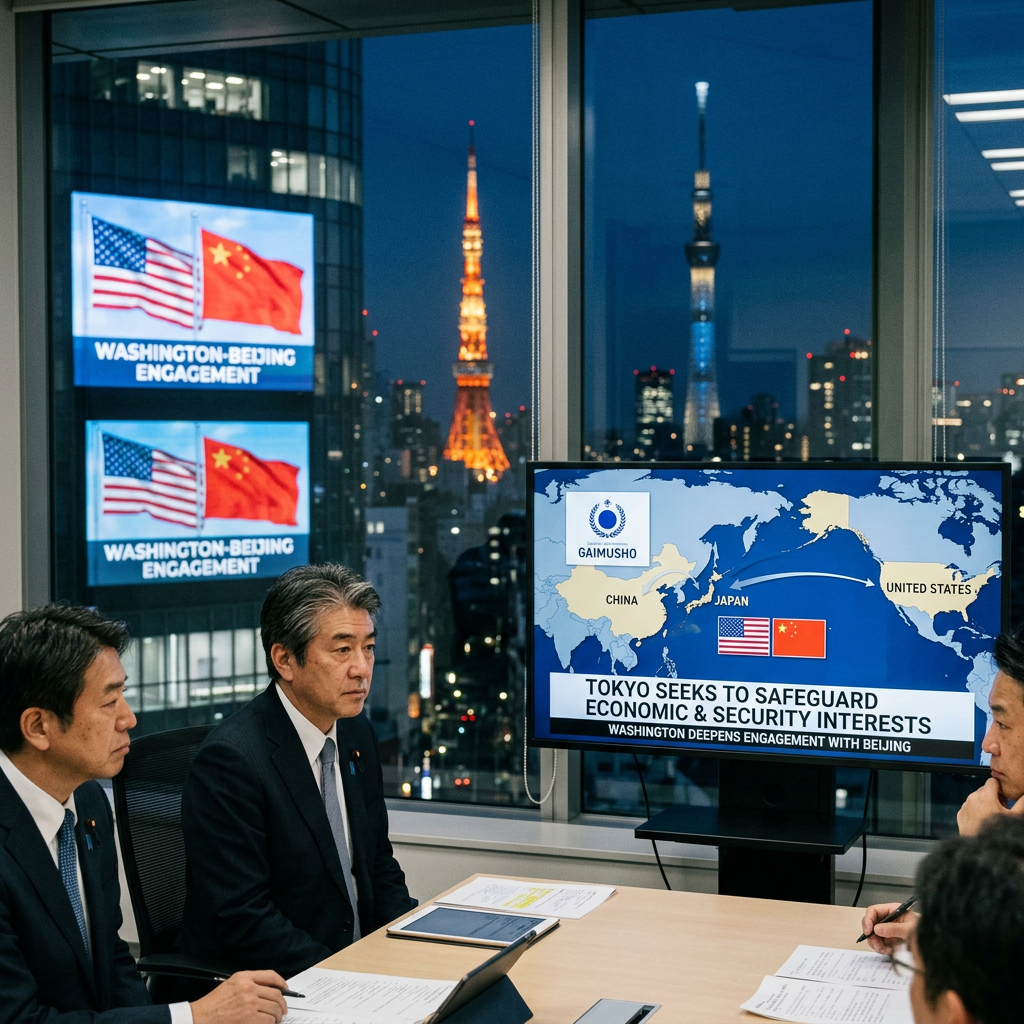
- Japan seeks to reinforce US alliance amid uncertainty over US-China ties, CNA Interview

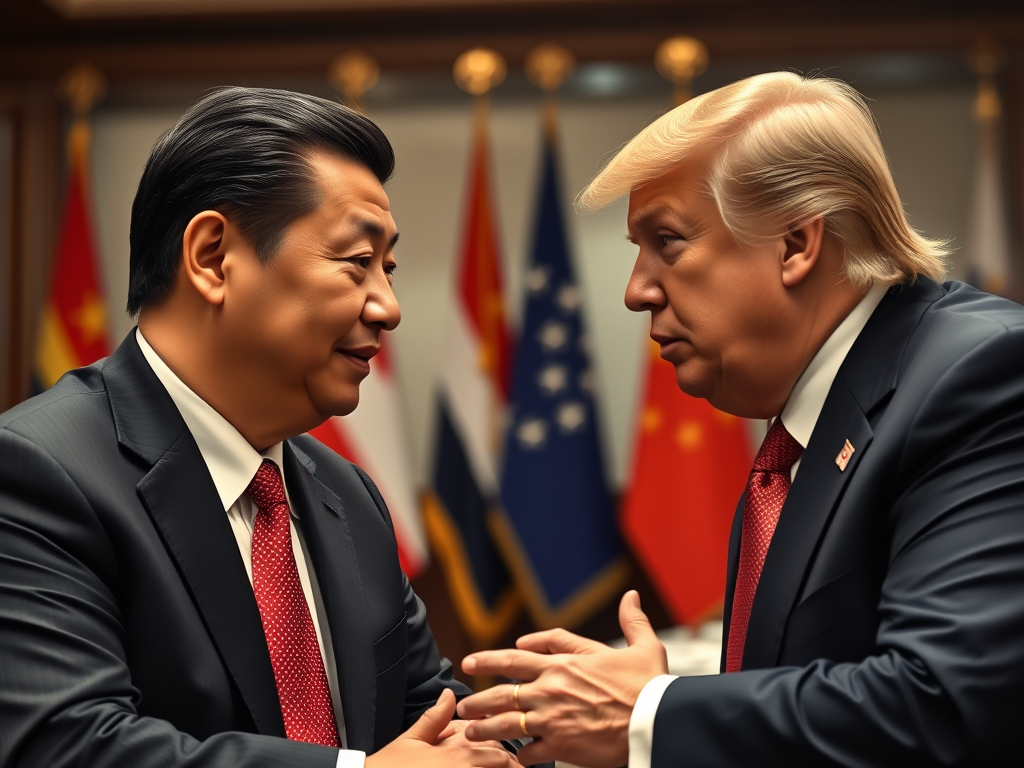
- Xi-Trump meeting is now over. What was accomplished? | Hanomansing Tonight, CBC

- How Tokyo buys deterrence without buying defence parity

- 海外の巨額マネーが”ノロマな亀”に賭け始めた…世界が習近平の中国を「再考」し日本を「再発見」する納得の理由 (Nagy’s Eye, President Online)


Leave a Reply