
Japanese foreign policy has long operated under what scholar Kenneth Pyle identified as four core principles: accommodation, adaptation, emulation and localization. But as Tokyo confronts an increasingly assertive China and a more transactional U.S., these time-tested approaches are being recalibrated — and tested — as never before.
The U.S. is more than Japan’s security guarantor; it’s Tokyo’s comprehensive partner. China, in contrast, is an essential economic partner but does not share Tokyo’s world view. The shifting ground under both relationships requires Japan to abandon accommodation with China while deepening adaptive strategies toward an evolving and unpredictable U.S.
Historical precedent suggests that accommodation — adjusting policy to work within existing power structures — has served Japan well. But China’s contemporary behavior, especially since Xi Jinping came to power in 2012, fundamentally differs from previous regional powers. Beijing’s Sino-centric worldview (rooted in centuries of tributary-system thinking), combined with its deepening partnerships with Russia and North Korea, creates an inherently incompatible strategic environment for democratic Japan, which prioritizes strategic autonomy and a free and open Indo-Pacific built on a shared set of rules and agreed-upon norms of behavior.
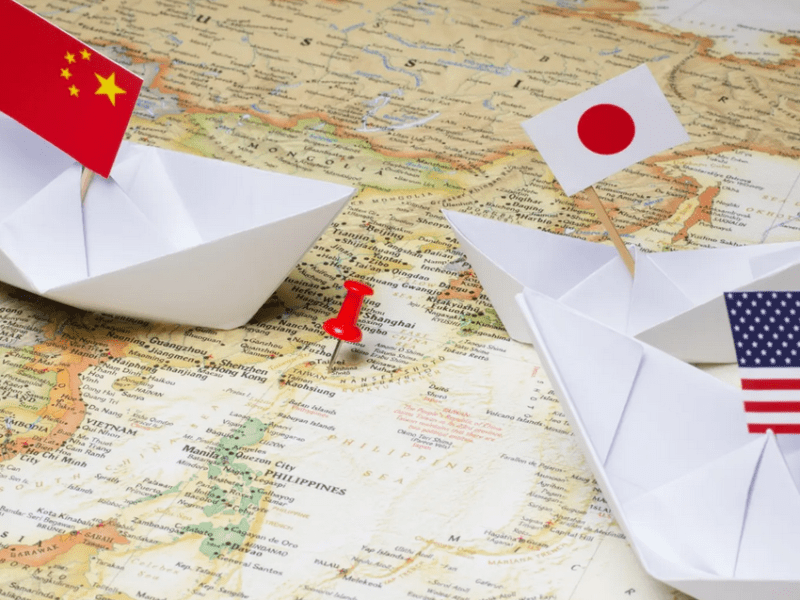
China’s expanding assertiveness in the South China Sea, economic coercion against trading partners and military buildup around Taiwan demonstrate that Beijing seeks not merely regional influence but regional dominance. Unlike previous accommodations with rising powers that operated within existing international frameworks, China increasingly challenges the postwar order that enabled Japan’s prosperity. The formation of what some analysts term an “axis of authoritarianism” linking Beijing, Moscow and Pyongyang further limits Tokyo’s accommodation options.
This represents a fundamental shift from Japan’s successful accommodation strategies during the Cold War, when clear ideological lines allowed for predictable relationships. Contemporary China presents an expansionist authoritarianism that views Japan’s democratic alignment as incompatible with its regional vision.
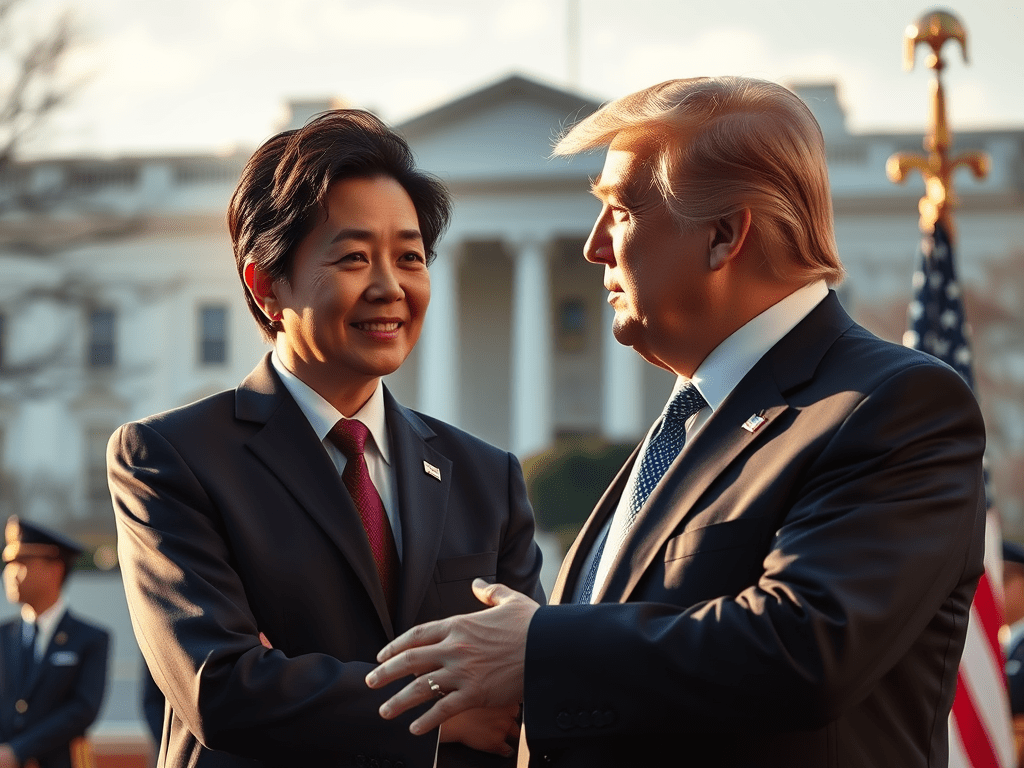
Meanwhile, Japan must adapt to a transformed America that practices increasingly transactional diplomacy. Washington’s shift from multilateral leadership to bilateral deal-making, emphasis on economic reciprocity and reduced international commitments require Tokyo to modify its alliance management.
This adaptation involves accepting that the U.S. will prioritize American economic interests more explicitly while maintaining security commitments. Japan has already begun adjusting to this reality through increased defense spending commitments, technology-sharing arrangements and burden-sharing agreements that address American concerns about alliance asymmetry.
The challenge lies in maintaining strategic alignment while accommodating American transactionalism. To do so, Japan must demonstrate the alliance’s value through concrete contributions that include host-nation support increases and joint technology development while avoiding the zero-sum competition that Washington increasingly favors in other relationships.
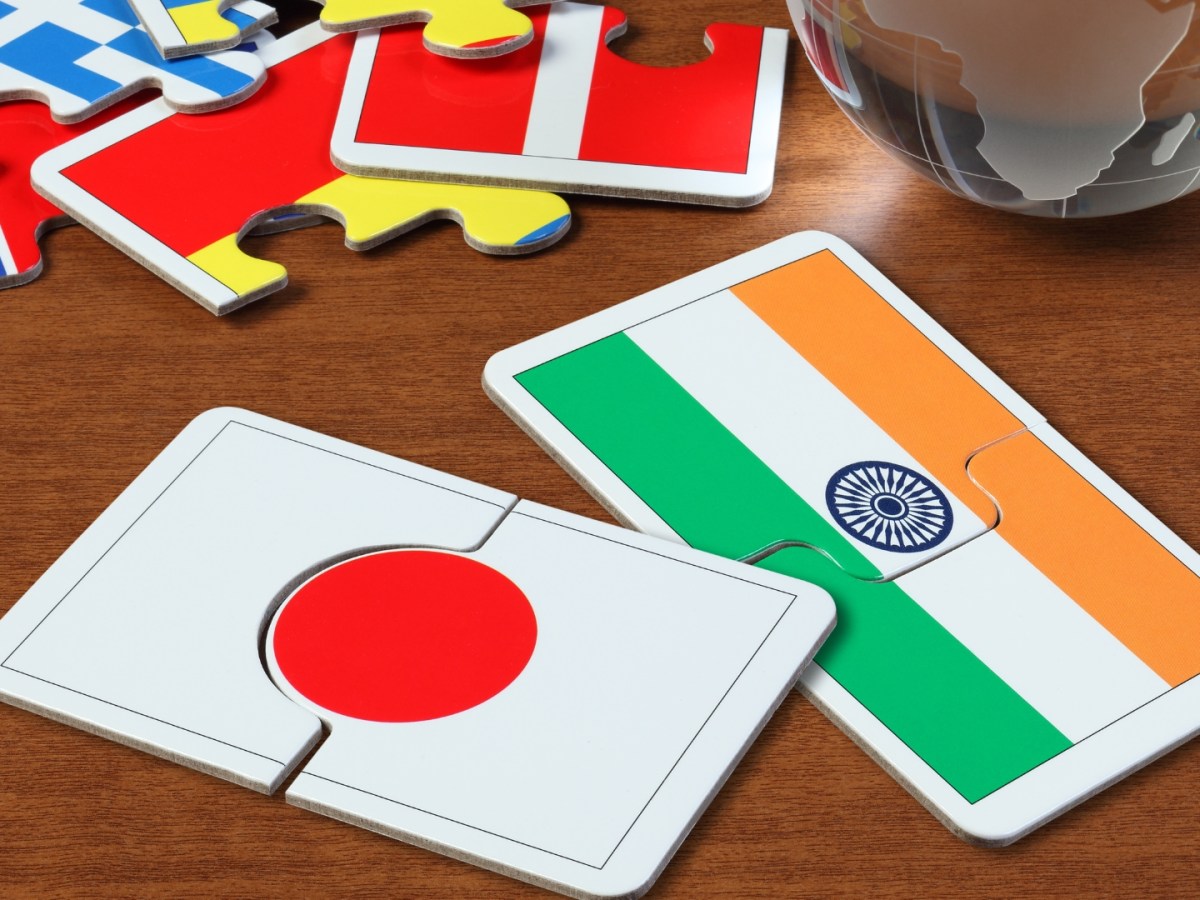
Japan’s adaptation strategy centers on building diverse minilateral partnerships that reduce dependence on any single relationship. “The Quad” partnership with Australia, India and the U.S. exemplifies this approach, creating overlapping security cooperation without formal alliance obligations that might trigger Chinese retaliation or American demands for exclusive alignment.
Similarly, Japan’s potential participation in “AUKUS Plus,” which involves technology sharing and defense industrial cooperation beyond the core Australia-U.K.-U.S. framework, demonstrates how Tokyo could leverage multiple relationships to enhance capabilities. The Japan-Australia Reciprocal Access Agreement and deepening Japan-South Korea security cooperation, despite historical tensions, reflect pragmatic minilateralism that addresses specific functional needs.
These arrangements allow Japan to hedge against both Chinese assertiveness and potential U.S. disengagement while maintaining flexibility across different policy domains. Southeast Asian partnerships with the Philippines, Vietnam and Singapore focus on maritime security and economic connectivity, creating regional relationships independent of great power competition.
Japan’s emulation strategies selectively adopt successful approaches from middle powers facing similar challenges. Australia’s model of maintaining strong U.S. security ties while developing independent regional relationships offers a template for managing great-power competition. Canberra’s ability to maximize trade with China while continuing to invest in security partnerships to dissuade Beijing is also a useful model. Tokyo is adopting Australia’s approach of a less bombastic China critique combined with economic diversification, particularly in critical supply chains.
Singapore’s strategy of maintaining neutrality while building functional partnerships across competing powers provides another model. Japan has emulated Singapore’s emphasis on technological innovation and economic attractiveness as sources of influence, particularly in Southeast Asia.
South Korea’s successful balancing between security dependence on the U.S. and economic integration with China despite recent tensions offers lessons for managing competing pressures. Tokyo should study Seoul’s approach to economic security and technology protection while maintaining trade relationships.
Localization involves adapting these strategies to Japan’s unique circumstances. Unlike Australia, Japan faces direct territorial disputes with China and hosts a significant U.S. military presence. Unlike Singapore, Japan is a major middle power with global interests. Japan’s localization therefore emphasizes technological leadership, development finance and cultural influence as distinctive assets in regional competition.
Faced with relative decline compared to China’s rapid growth over the past 40 years, Japan should employ what strategists Rush Doshi and Kurt Campbell term scale creation, i.e., multiplying influence through partnerships rather than competing through raw resource accumulation. This involves pooling capabilities with partners to achieve collective scale that individual nations cannot match.
Japan’s leadership in the Comprehensive and Progressive Agreement for Trans-Pacific Partnership exemplifies this approach, creating economic scale through standard-setting and market-access coordination. More partners need to be added.
Technologically, Japan should leverage partnerships to maintain competitiveness in critical sectors. Semiconductor cooperation with Taiwan, defense technology sharing with Britain and space cooperation with multiple partners create networked capabilities that exceed Japan’s individual capacity.
Rather than accepting bipolar competition between China and America, Japan should actively invest in regional multipolarity. This involves strengthening middle powers like India, Australia and ASEAN states to create multiple centers of influence that prevent any single power from dominating.
Japan’s infrastructure investment through initiatives like the Partnership for Quality Infrastructure directly competes with China’s Belt and Road initiative while offering recipient countries alternatives to exclusive dependence on Beijing. Similarly, development finance and technology transfer programs build partner capabilities that contribute to regional balance.
Japan’s updated application of Pyle’s framework demonstrates how enduring strategic principles adapt to changing circumstances. The impossibility of accommodating an assertive China requires alternative approaches, while “America First” transactionalism demands new forms of adaptation. Minilateral partnerships and selective emulation provide tools for managing these challenges while maintaining strategic autonomy.
Success depends on Japan’s ability to maintain this complex balancing act and adapt to U.S. changes without compromising core interests, building partnerships without triggering Chinese retaliation and creating scale without losing policy flexibility. The stakes are substantial. Failure could result in either subordination to Chinese regional dominance or excessive dependence on an increasingly unpredictable America.
Japan’s strategic adaptation reveals how middle powers navigate great power competition through sophisticated diplomatic tools rather than raw capabilities. As regional tensions intensify, this approach may provide a model for other nations facing similar challenges in an increasingly multipolar world.
This article was first published on September 23, 2025 at The Japan Times.









![[The Reality of Middle Power] US and China: “Superpowers” and “Multiple Weak Powers” on Fuji BS’ Prime NEWS](https://nagystephen.com/wp-content/uploads/2026/03/image-7.png?w=1024)
 nagystephen.com
Leave a comment