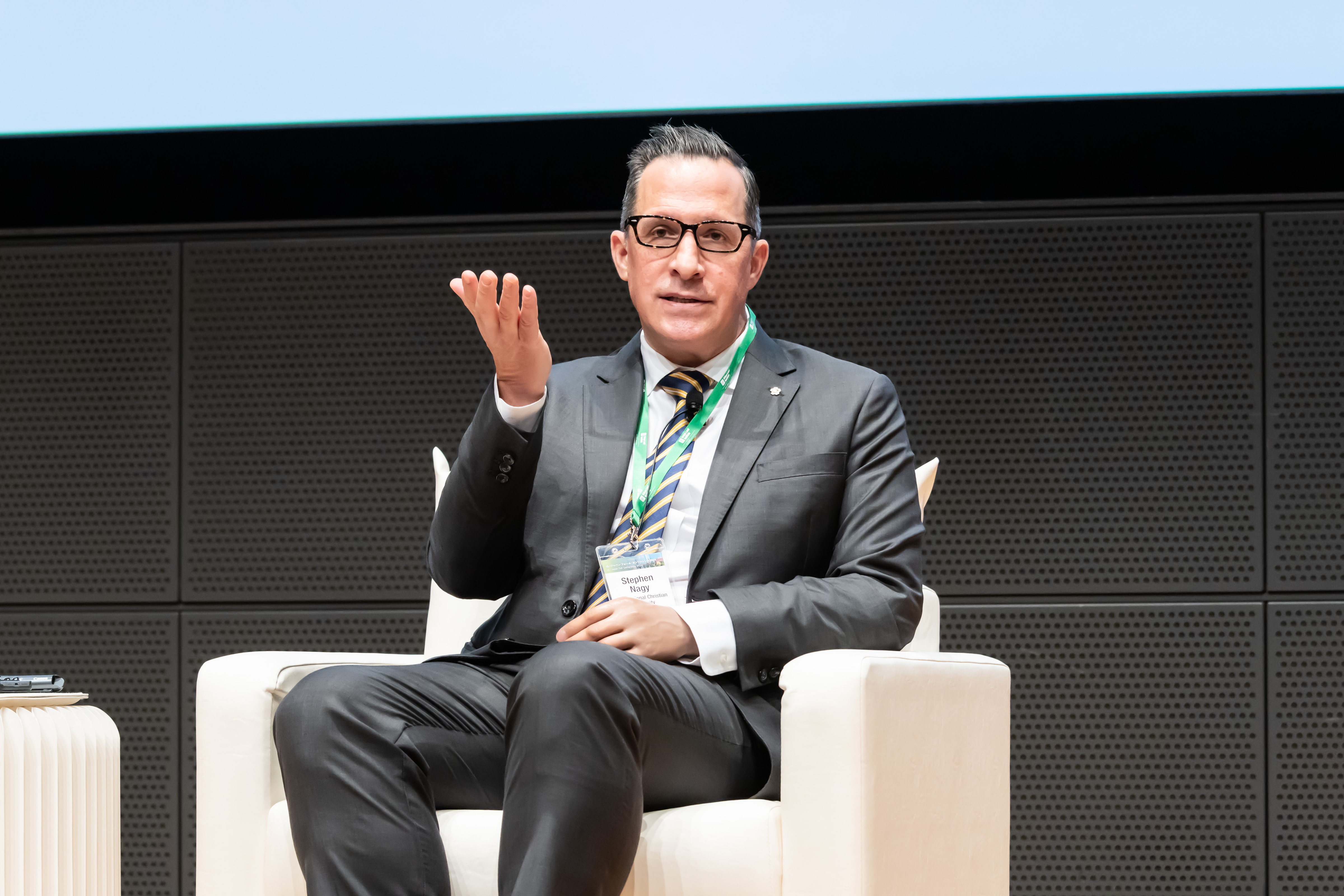
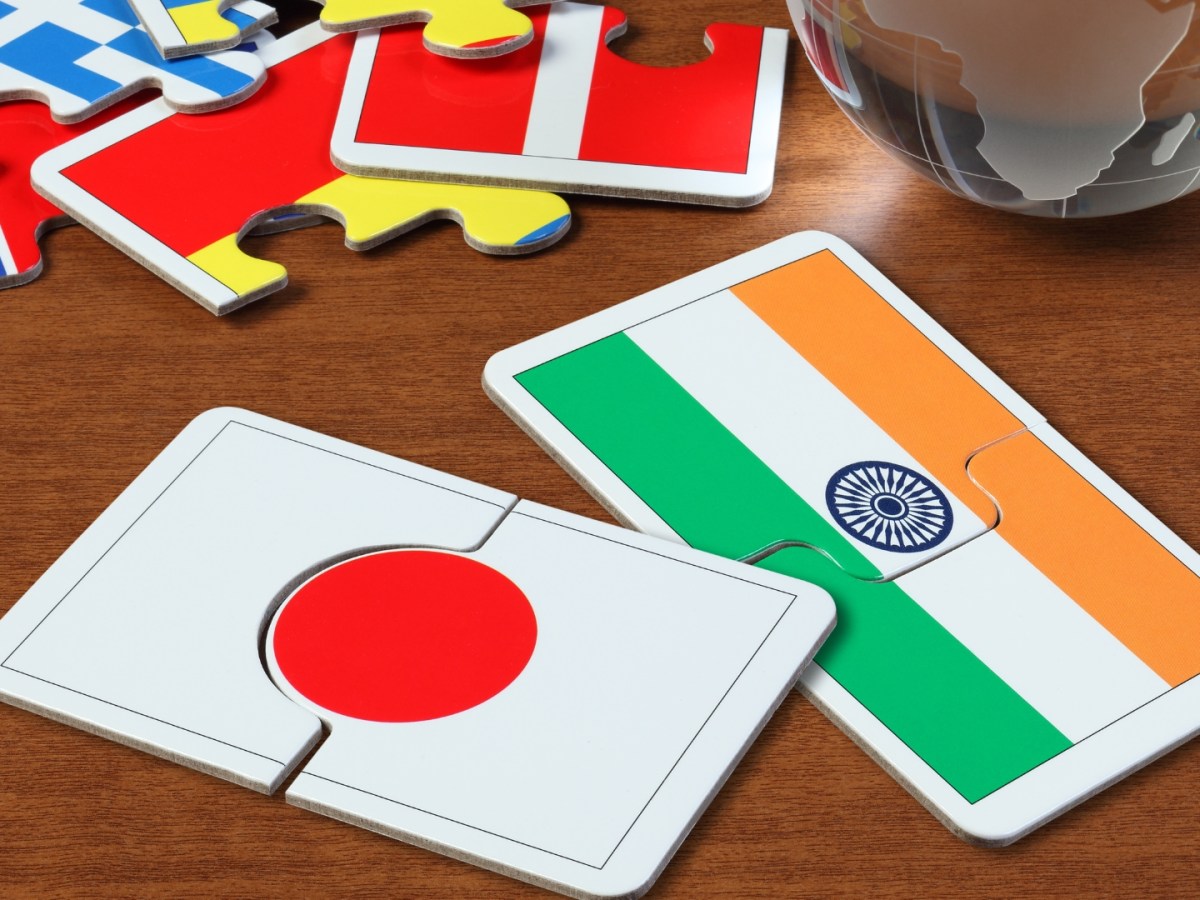
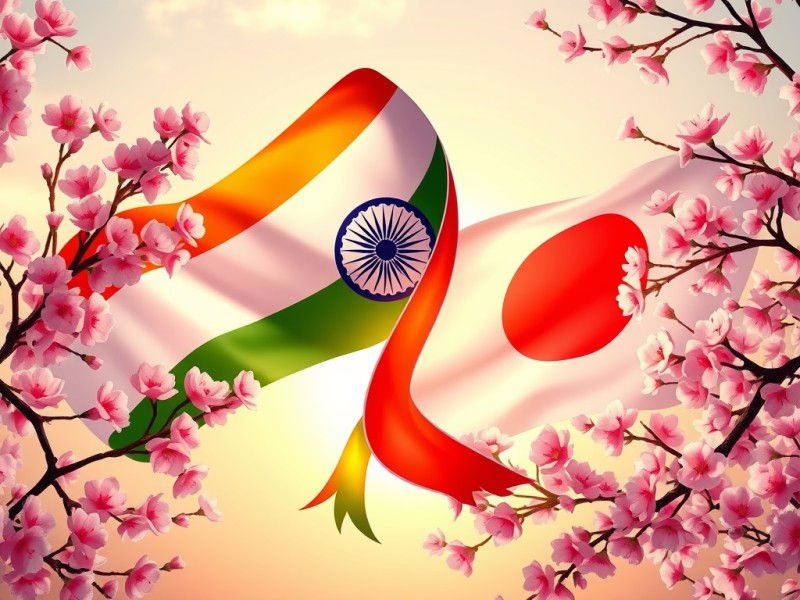
Stephen Nagy: I think that she has a great opportunity here — one, to strengthen joint leadership within APEC with the United States, but also South Korea and other countries that have shared national interests. And here I think there’s a perfect opportunity to advocate for bringing India into APEC. Remember, India is not part of APEC, and the Japan–India relationship is significantly deepening, as well as the U.S.–India relationship.
So I think she has a position to chart out an independent course, bring in that strong relationship with India, work with the United States to start crafting and rethinking APEC’s role within global economic development. I do think that she should commit to the principles of APEC, but also the principles of reforming APEC and its efforts to deregulate and find common regulatory approaches to economic issues within the region.
It needs to be done with countries that have shared national interests. The reality is that the global trade chaos taking place right now is really associated with the U.S.–China strategic competition — their decoupling, or selectively diversifying away from each other — and this is creating huge shocks to the post–World War II or post–Cold War trade and economic system.
There’s a real need for Takaichi to say that we need to reboot APEC, reboot the global economic system. Japan has a place here. How can we work within APEC and with our longstanding partners to do this? And I think bringing in India may be an important aspect of that, because it is now the fifth-largest economy on the planet.
Reporter: Do you think it’s a safe bet that she’s going to again side with this idea of a deeper U.S.–Japan alliance and continue to sound hawkish when it comes to China?
Stephen Nagy: A bit of both. I think there’s real concern about the influx of Chinese money and Chinese influence into Japan, and how it has shaped politics, decision-making, and how businesses are supporting or not supporting political parties.
At the same time, she has to be realistic about the relationship with China. China is Japan’s first or second largest business partner — I think last year or the year before, bilateral trade was about $380 billion, roughly equal. The Japanese business federation wants to continue to engage with the Chinese market while at the same time pivoting to Southeast Asia and India.
So she’s going to go to APEC, double down on the U.S. relationship for sure, and double down on reliable relationships like the Australia partnership, the Canadian partnership, and perhaps partnerships with Southeast Asia — while at the same time speaking about constructive, open, and engaging policy towards China in the context of a free and open Indo-Pacific.
That means following rules, not using force as a way to change the status quo, and focusing on key elements of economic stability within the region: open economies, shared understanding of rules, and a commitment to open and free economies. I think that’s going to be her message, but it will be delivered by working with like-minded partners.
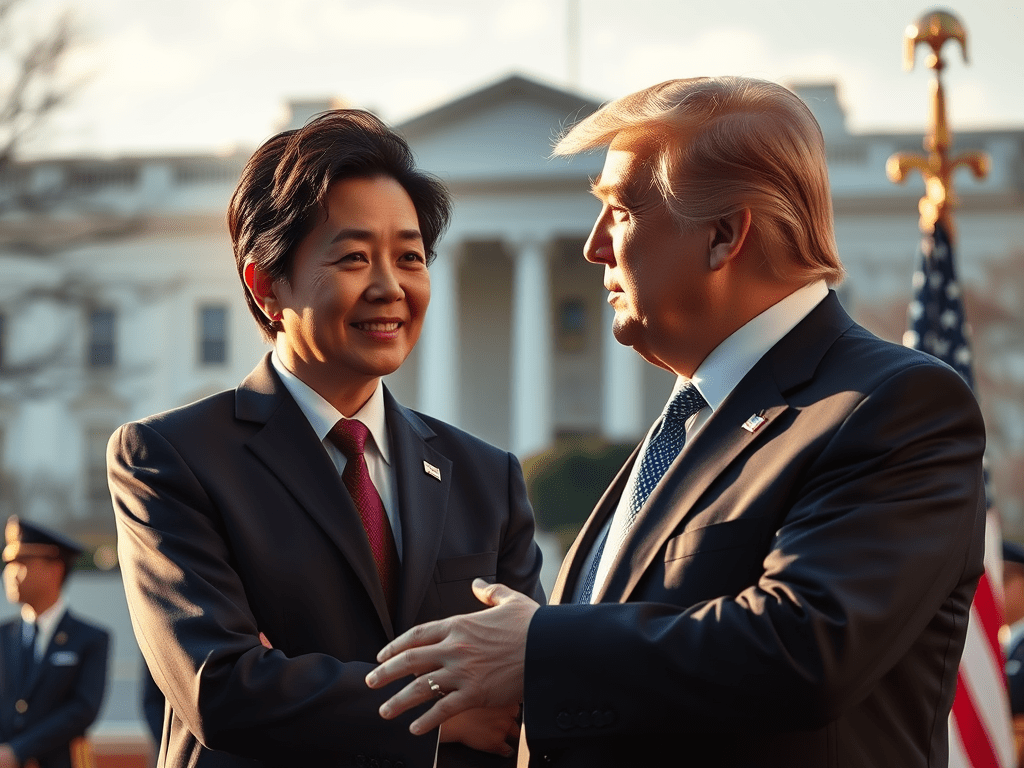
Reporter: Talk to us about diplomacy in the age of Trump. Obviously, diplomacy has become extremely personal — it depends on leaders and their relationships. When President Trump comes to Tokyo on the 27th and they meet, how is that going to go? Do you think they’ll get along? Takaichi likes to think of herself as Margaret Thatcher — the Iron Lady. We know her backstory as well: heavy metal drummer, liked Def Leppard, was a biker. When she was at Kobe University, she actually worked as a “companion,” a kind of modern-day geisha. So, very colorful, very idiosyncratic — not the usual or typical profile for LDP stalwarts. What do you think the relationship is going to be like?
Stephen Nagy: Mr. Trump is unpredictable. I could see him saying many different things — as we all know, he has the ability to say almost anything. But I think he’s going to come to Japan and say, “Look, they have this new leader. She comes from a hardworking family, a very middle-class family in an area called Nara in Japan. She paid her way through university and fought her way to the top in a man’s world to become the leader of Japan.”
That will probably be the message Mr. Trump puts out, and he’ll probably be slightly inclined toward her because he had such a strong relationship with the late Prime Minister Shinzo Abe.
That being said, I think her comments about where the U.S.–Japan alliance is going to go — how much Japan’s willing to help lead and take on a burden within the region — will play very well to Mr. Trump and his audience back home. As a result, I think it will be a good meeting, but one of several meetings in the coming months and years to strengthen the bilateral relationship.
Reporter: Is there likely to be anything substantive coming out of that October 27th meeting and summit? Some people are talking about not a “Mar-a-Lago Accord,” but potentially a “Tokyo Accord,” which would result in a stronger yen and a weaker dollar.
Stephen Nagy: There is some talk about resetting the economic relationship — a stronger yen and a weaker dollar. There’s also talk about President Trump visiting the late Prime Minister Abe’s memorial to show respect and demonstrate their enduring shared understanding of strategic perspectives within the region.
They will be talking about the alliance — where it’s headed and how they can work together. I think they’ll also be discussing technology, the place of Taiwan within regional relations, and how to push back against what they mutually understand as the challenges of authoritarian expansionism within the region.
I think the September 3rd parade in Beijing was an eye-opener for Mr. Trump and a realization that they need strong partners like Japan to ensure the region remains open to trade, engagement, and peace. I think he’s going to come to Tokyo with that mindset.






![[The Reality of Middle Power] US and China: “Superpowers” and “Multiple Weak Powers” on Fuji BS’ Prime NEWS](https://nagystephen.com/wp-content/uploads/2026/03/image-7.png?w=1024)
 nagystephen.com
Leave a comment