
Japan stands at its most critical juncture since the 1860s. The working population shrinks by hundreds of thousands annually, eroding the foundation of national economic strength.
Despite decades of discussion about women’s advancement, Japan maintains the lowest rate of female leadership appointments among developed nations. An aging political establishment perpetuates seniority-based systems that stifle innovation. Simultaneously, the authoritarian alliance of China, Russia, and North Korea increasingly challenges the postwar international order that has guaranteed Japan’s prosperity.
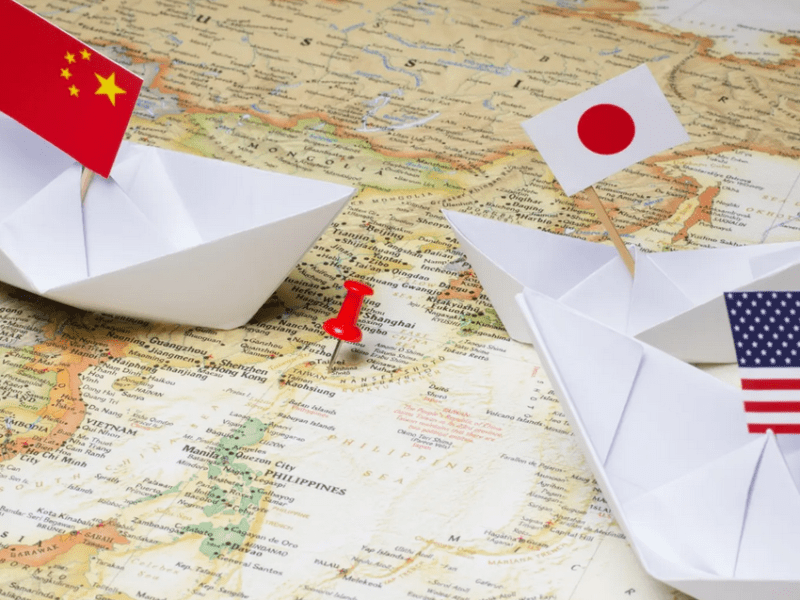
The transformation of Japan’s most important ally adds another layer of complexity. The US, having undergone significant policy shifts under the Trump administration, has become less predictable as a strategic partner. Tokyo’s strategic planners increasingly worry about potential US-China agreements that might marginalize Japanese interests.
This multifaceted crisis demands exceptional leadership. This means leaders with the vision to reimagine Japan’s future and the practical skills to navigate complex domestic and international challenges. Yet examining the current LDP presidential race reveals a concerning gap between what Japan needs and what its political system is producing.
Assessing Current Leadership Capabilities
The major LDP politicians seeking the presidency bring substantial experience but also significant limitations. A balanced assessment reveals both their strengths and the areas where they fall short of the transformative leadership Japan requires.
Sanae Takaichi brings extensive governmental experience, having served as Minister of Internal Affairs and Communications and Policy Research Council Chair.
Her expertise in economic security policy led to the successful passage of the Economic Security Promotion Act in 2022, demonstrating her ability to navigate complex legislation. Her 1987 fellowship in the U.S. Congress provided valuable international exposure and practical English skills.

As a prominent figure in the conservative wing of the LDP, Takaichi commands significant factional support. However, her positions on social issues including opposition to same-sex marriage and married couples using different surnames may limit her appeal to younger voters and urban professionals. While her security-focused approach resonates with concerns about regional threats, critics worry about the economic implications of overly confrontational policies toward China, Japan’s largest trading partner.
Shinjiro Koizumi, at 44, represents extreme generational change in Japanese politics. His tenure as Environment Minister saw substantive progress on climate policy, including Japan’s commitment to carbon neutrality by 2050. His Columbia University education and fluent English enable effective international communication, crucial for global climate negotiations.
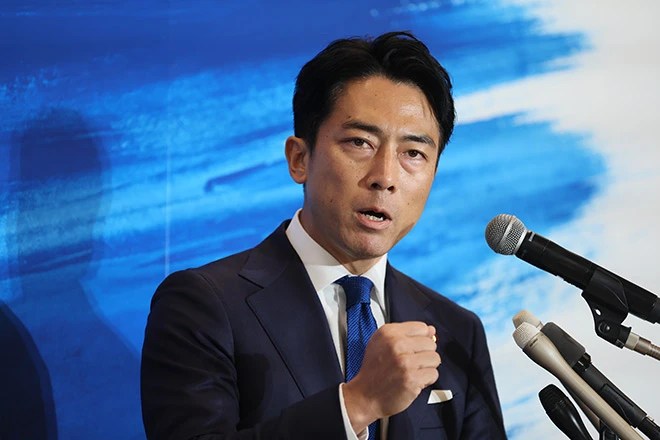
However, Koizumi’s political career has faced challenges. The stealth marketing incident during the 2025 LDP presidential race, where campaign executive Karen Makishima encouraged orchestrated online support, raised questions about campaign ethics and led to Makishima’s resignation. During debates, his decision to answer in Japanese despite his English fluency struck some observers as unnecessarily cautious. While his media savvy helps communicate with younger demographics, critics argue his policy proposals sometimes lack the detailed implementation plans needed for complex reforms.
Yoshimasa Hayashi possesses perhaps the most extensive policy experience among the candidates, with successful terms as Foreign Minister, Defense Minister, and Education Minister. His Harvard education and experience as a U.S. congressional staffer provide a deep understanding of international affairs. His role in TPP negotiations demonstrated sophisticated trade policy expertise.

Yet Hayashi’s previous position as head of the Japan-China Parliamentary Friendship Association through 2021 complicates his political positioning. In an era of heightened concerns about Chinese assertiveness, this association requires careful political navigation. Supporters argue his nuanced understanding of China could facilitate more effective diplomacy; critics worry about insufficient resolve in confronting security challenges.
Toshimitsu Motegi combines elite credentials including being a graduate of the Harvard Kennedy School and an employee at McKinsey consulting with substantial policy achievements. As Foreign Minister, he strengthened the Quad partnership and skillfully negotiated the Japan-UK Economic Partnership Agreement in 2020. His unhesitating use of English in debates demonstrates confidence in international settings.

However, Motegi’s reputation for intellectual brilliance comes paired with persistent concerns about his interpersonal style. Both LDP colleagues and ministry officials have noted his sometimes brusque manner, raising questions about his ability to build the broad coalitions necessary for major reforms. Effective leadership requires not just policy expertise but also the ability to inspire and unite diverse stakeholders.
Takayuki Kobayashi represents the emerging middle generation at 50, with experience as Parliamentary Vice-Minister of Defense and Minister for Economic Security. His Finance Ministry background provides deep understanding of Japan’s fiscal challenges. Like many of his generation, he completed graduate education at Harvard Kennedy School.
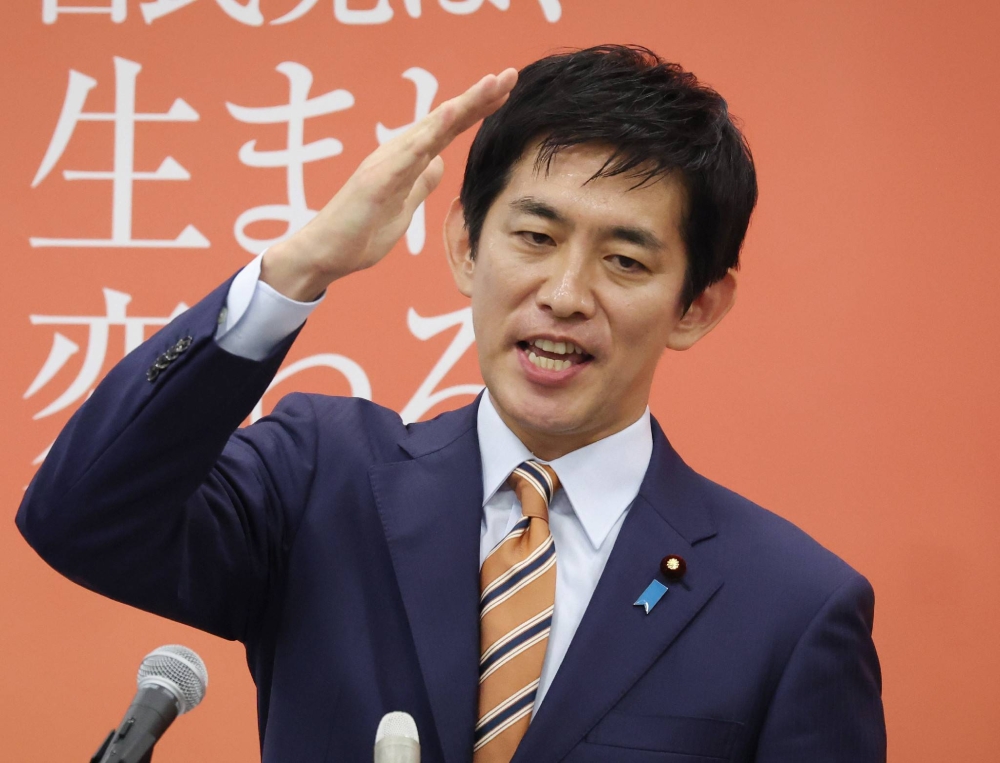
Despite these credentials, Kobayashi struggles with public recognition and communication. His choice to answer debate questions in Japanese, despite strong English skills, mirrors Koizumi’s cautious approach. His Finance Ministry background, while providing technical expertise, raises concerns among those wary of tax increases. The question remains whether he can transcend his bureaucratic background to provide inspirational leadership.
Learning from History While Addressing Modern Challenges are a possible path forward
Japan’s history offers valuable lessons about transformative change, though direct comparisons between eras require careful nuance. The Meiji Restoration succeeded through a combination of visionary leadership and institutional innovation. These elements remain relevant even as the specific mechanisms must adapt to democratic governance.
Crisis-Driven Reform
Historical precedent shows Japan’s capacity for rapid adaptation when facing existential challenges. The 1993 political reforms, triggered by corruption scandals and economic stagnation, fundamentally restructured the electoral system. The shift from multi-member to single-member districts reshaped political competition and party dynamics.
Today’s demographic and security challenges could similarly catalyze systemic reform. However, modern democratic processes require building consensus rather than imposing change, making leadership skills in communication and coalition-building essential.
Evolutionary Change Through Existing Institutions
The example of Junichiro Koizumi demonstrates how established politicians can become reform champions. His postal privatization campaign, while limited in scope, showed that determined leadership could overcome entrenched interests. Current politicians might similarly evolve, developing bolder visions through the crucible of governance.
Economic Pressure as Reform Driver
Business needs have historically driven policy change in Japan. The 1990s financial crisis led to banking reforms when economic necessity overcame political resistance. Today, with 98% of Japanese businesses reporting difficulties finding workers according to 2024 Japan Chamber of Commerce surveys, economic pressures for controlled migration policies and increased female workforce participation continue to mount.
Essential Reforms for Japan’s Future
Regardless of who becomes LDP president, several structural reforms require urgent attention:
Demographic Reality and Controlled Migration
Japan’s demographic trajectory, with the working-age population declining by approximately 600,000 annually, demands honest discussion about sustainable solutions.
A comprehensive controlled migration framework must begin with skill-based visa programs targeting specific labor shortages in healthcare, construction, and technology sectors. This should be coupled with robust integration support systems including intensive language training and cultural orientation programs.
Clear pathways for long-term residency would provide stability for contributing workers while addressing business needs for experienced personnel. Municipal governments need resources and frameworks to facilitate community integration, ensuring that new workers become contributing members of local communities rather than isolated labor units.
Japan’s approach would not focus on building a multicultural society but endeavour to maintain migrant levels at levels that meet societal needs and maintain Japan’s ethno-cultural cohesion, identity and character.
Gender Equality as Economic Imperative
Utilizing female talent fully transcends social justice arguments to become economic necessity. Japan needs targets for female representation in corporate leadership, implemented with flexibility that allows companies to develop context-appropriate strategies. The current tax system actively discourages female workforce participation through spousal deductions and other mechanisms that must be reformed.
Childcare infrastructure requires massive expansion, particularly extended-hours facilities that accommodate the reality of dual-income families. Additionally, structured mentorship programs connecting established and emerging female leaders could accelerate progress by providing practical pathways for advancement.
Educational Modernization
Preparing for a knowledge economy requires fundamental educational reform that shifts from memorization to critical thinking and creativity throughout the curriculum. English language education must begin earlier and employ more effective methodologies, moving beyond grammar drills to practical communication skills. University admission reforms should emphasize diverse talents and experiences rather than performance on standardized tests. Most critically, stronger connections between educational institutions and emerging industries would ensure graduates possess relevant skills for evolving economic needs.
Strategic International Positioning
Japan’s security in an unstable region requires sophisticated multilateral diplomacy that strengthens alliances while maintaining strategic autonomy. This means building issue-specific coalitions with like-minded nations on challenges ranging from supply chain resilience to technology standards. The delicate balance between security imperatives and economic interdependence demands nuanced approaches that avoid binary choices. Developing indigenous defense capabilities within alliance frameworks provides both deterrence and diplomatic flexibility.
Seizing the 2025 Moment: A Practical Reform Agenda
The next LDP president will face immediate challenges requiring both bold vision and practical execution. A realistic first-year agenda must balance ambition with achievable milestones.
First 100 Days: Foundation Building
The new administration should immediately establish a National Reform Commission incorporating diverse voices from business, academia, and civil society to build broad consensus for necessary changes. Comprehensive reviews of demographic policy, educational systems, and administrative efficiency would provide evidence-based foundations for reform.
Signaling commitment through key appointments, including younger and female ministers in substantive portfolios, would demonstrate that change is more than rhetorical. Diplomatic outreach to strengthen both traditional alliances and new partnerships must begin immediately to position Japan advantageously in evolving international dynamics.
Year One: Concrete Progress
Within the first year, pilot programs for controlled migration in critical sectors could demonstrate both feasibility and benefits while addressing concerns. Digital government initiatives reducing bureaucratic barriers would show citizens immediate benefits from reform efforts. Legislation supporting workplace flexibility and gender equality needs careful crafting to balance business concerns with social objectives. Concrete defense initiatives strengthening regional security cooperation would reassure allies while enhancing deterrence.
Building Long-term Momentum
Innovation Zones testing regulatory reforms could become laboratories for broader changes, demonstrating benefits before nationwide implementation. Partnerships between universities and industries for workforce development would begin addressing skill mismatches that hamper economic growth. Sustainable fiscal frameworks must honestly address demographic change rather than perpetuating unrealistic assumptions. Throughout this process, building public consensus through transparent communication about challenges and solutions remains essential for sustained reform momentum.
Conclusion: The Leadership Japan Needs
Japan doesn’t need modern versions of Meiji oligarchs imposing top-down revolution. In today’s democratic context, effective leadership means building consensus while maintaining clear direction, balancing multiple stakeholder interests while pursuing necessary reforms, and communicating honestly about challenges while inspiring confidence in Japan’s future.
The current LDP candidates each bring valuable experience and capabilities. Their challenge is to transcend traditional political constraints and offer the transformative vision Japan requires. This means honestly addressing demographic realities, boldly restructuring outdated systems, and skillfully navigating international complexities.
History shows Japan’s remarkable capacity for adaptation when circumstances demand. The question now is whether current leaders can rise to meet today’s challenges with the same determination, creativity, and pragmatism that has enabled Japan’s previous transformations. The 2025 LDP presidential race isn’t just about choosing a party leader, it’s about selecting the person who will guide Japan through one of its most consequential periods since the postwar era.
Success will require not just individual leadership but also institutional reform, business innovation, and citizen engagement. The next prime minister must catalyze this broader transformation, turning Japan’s current challenges into opportunities for renewal. While comparisons to past heroes may inspire, what Japan needs now are leaders equipped for 21st-century realities, leaders who can honor Japan’s achievements while boldly reimagining its future.















![[The Reality of Middle Power] US and China: “Superpowers” and “Multiple Weak Powers” on Fuji BS’ Prime NEWS](https://nagystephen.com/wp-content/uploads/2026/03/image-7.png?w=1024)
 nagystephen.com
Leave a comment