
Executive Summary:
The Indo-Pacific region is experiencing a fundamental shift from broad multilateral cooperation to targeted minilateral partnerships that are small, issue-specific coalitions like the Quad and AUKUS. This transition, driven by US-China competition, multilateral gridlock, and complex transnational challenges, presents both opportunities and risks for regional states. Minilateralism enables middle powers to enhance strategic influence through niche diplomacy, leverage specialized capabilities, and shape regional security architecture. States can amplify their voice on critical issues while maintaining greater policy autonomy than in large multilateral forums.
Nations face difficult choices navigating US-China rivalry, risk economic fragmentation, strain limited diplomatic resources, and must balance sovereignty concerns with cooperative commitments.
Strategic Recommendations:
- Selective Engagement: Prioritize minilateral partnerships aligned with core national interests and demonstrable outcomes
- Capability Development: Invest in niche strengths (e.g., critical minerals, maritime security, green technology) to become indispensable partners
- Proactive Coalition Building: Lead initiatives addressing regional gaps rather than merely joining others’ frameworks
- Economic Hedging: Participate in supply chain resilience efforts while maintaining open trade principles
- Institutional Balance: Ensure minilateral activities complement rather than undermine existing regional architectures like ASEAN
Hence, success requires sophisticated diplomatic capacity, clear strategic objectives, and careful management of great power dynamics while fostering domestic resilience against external pressures.
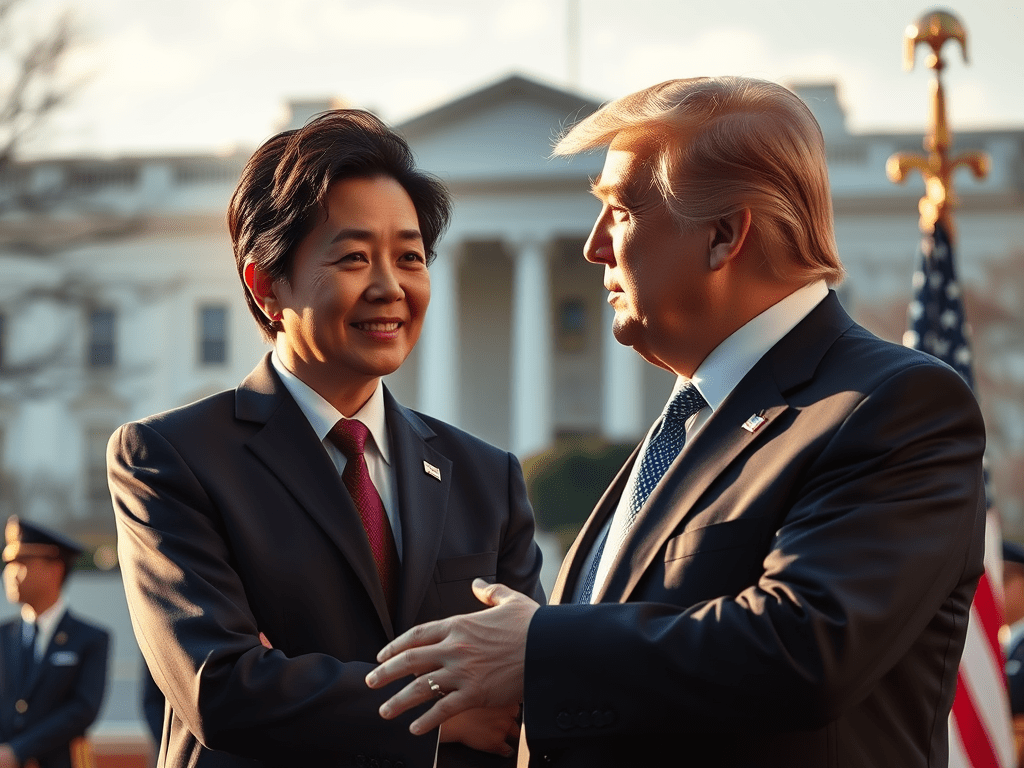
![[The Reality of Middle Power] US and China: “Superpowers” and “Multiple Weak Powers” on Fuji BS’ Prime NEWS](https://nagystephen.com/wp-content/uploads/2026/03/image-7.png?w=1024)

 nagystephen.com
Leave a comment