
Middle powers in the Indo-Pacific are faced with a trifecta of pressures including
China’s re-emergence as central pole in the region, deepening Sino-U.S. strategic competition, and questions related to U.S. leadership in the region. Specific concerns related to China include maritime security, the openness of the emerging digital economy, and the practice of coercive economic behavior, to which middle powers are vulnerable.
To respond to these pressures some middle powers are adapting to these changing dynamics and transforming their middle power diplomacy towards what the author coins as neo-middle power diplomacy. This new type of diplomacy proactively engages in behavior which includes lobbying, insulating, and rule-making in the realms of security, trade and international law, and aims to ensure that middle powers’ interests are not affected by the Sino-U.S. strategic competition
Main Argument
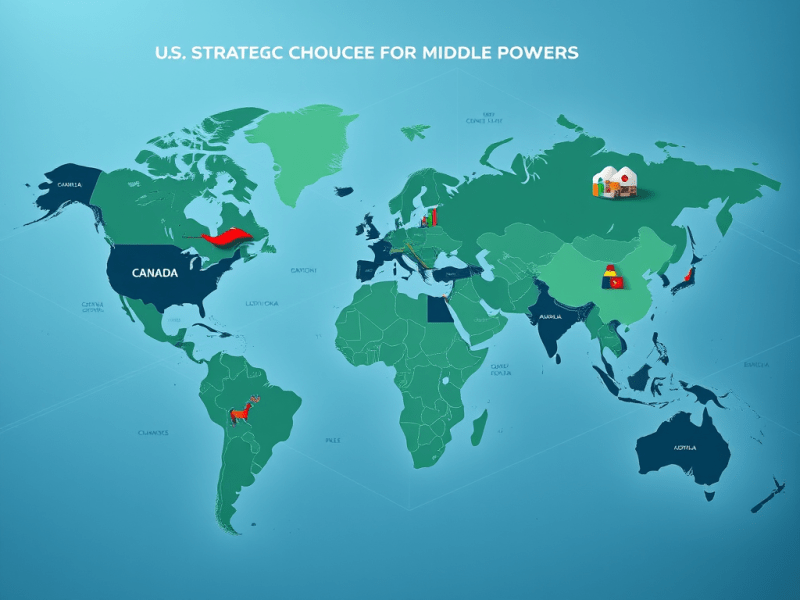
The change in the power balance associated with China’s re-emergence as Asia’s largest economy has brought concerns about Sino-U.S. strategic competition and raised questions about U.S. leadership in the Indo-Pacific region among many U.S. aligned middle powers, such as Australia, Japan, Canada, and India. Specific challenges that China is creating include fomenting instability in the maritime domain, fracturing the openness of the emerging digital economy, and practicing coercive economic behavior, to which middle powers are especially vulnerable. Therefore, the Indo-Pacific’s middle powers are aligning to adapt to these changing dynamics and transforming their diplomacy and cooperation into “neo-middle-power diplomacy.” This new type of diplomacy is proactive and engages in behavior that includes lobbying, insulating, and rulemaking in the realms of security, trade, and international law. It aims to ensure that middle powers’ interests are not deleteriously affected by the Sino-U.S. rivalry.
Policy Implications
- Like-minded middle powers should actively seek out alignment partners inside and outside the region based on a convergence of interests. U.S. involvement is preferred but not a prerequisite for alignment and cooperation.
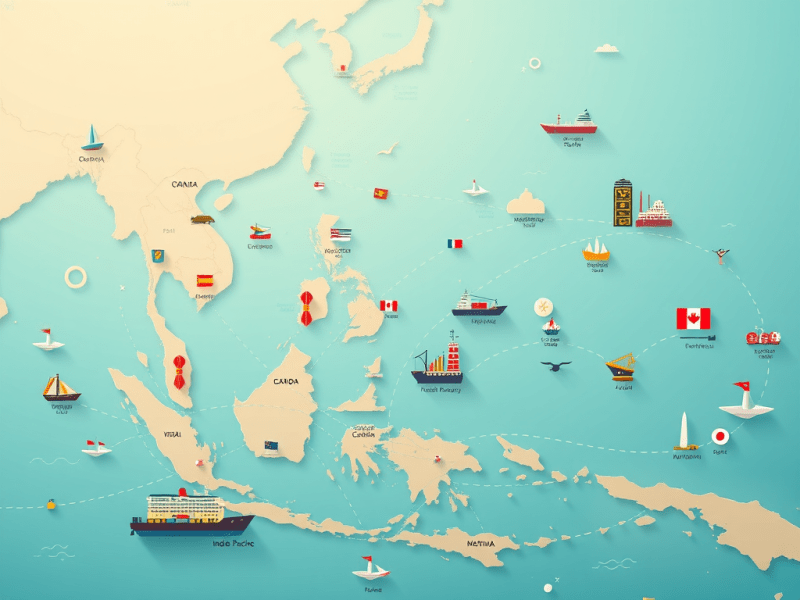
- Middle powers should focus cooperation on key areas based on the synergy of their respective comparative advantages. Ideally, these would stress capability-based contributions, such as intelligence gathering, rather than the capacity of the resources available for cooperation. Examples include regularized humanitarian and disaster-relief activities; maritime cooperation in the East and South China Seas, Taiwan Strait, and Indian Ocean; and joint transits in the Indo-Pacific.
- Middle powers should prioritize their interests in free trade and “data free flow with trust” in the digital economy to both provide economic incentives to emerging states in the region and develop trade safety-net agreements that will allow them to support each other when subject to economic coercion.
Latest Posts
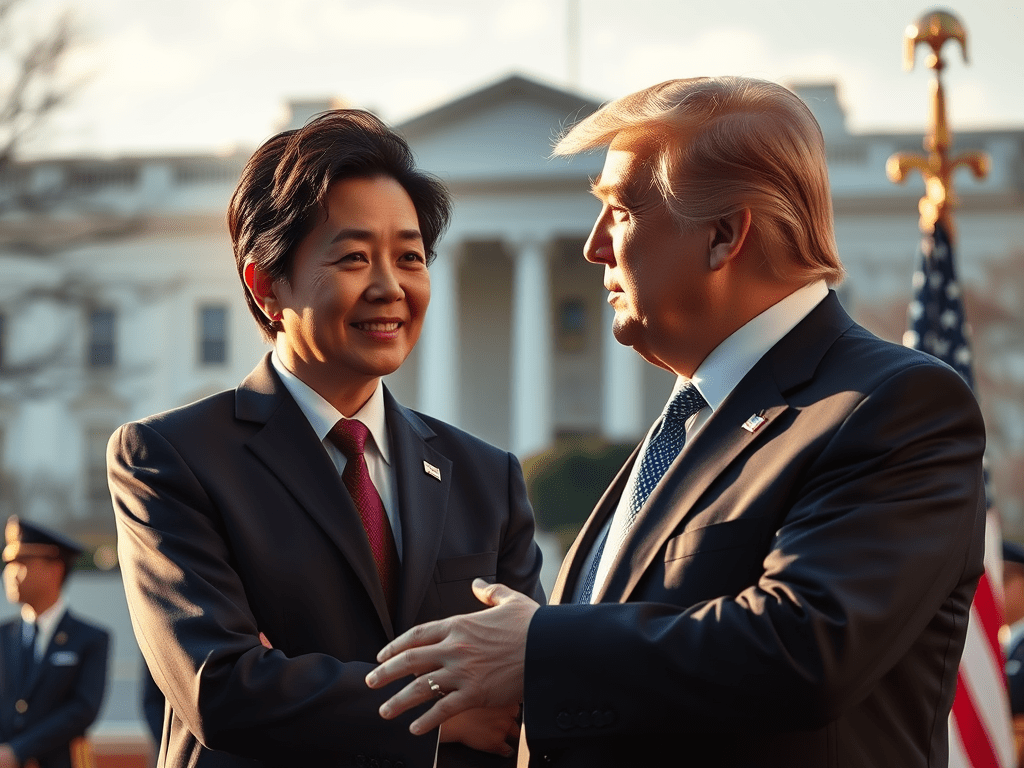
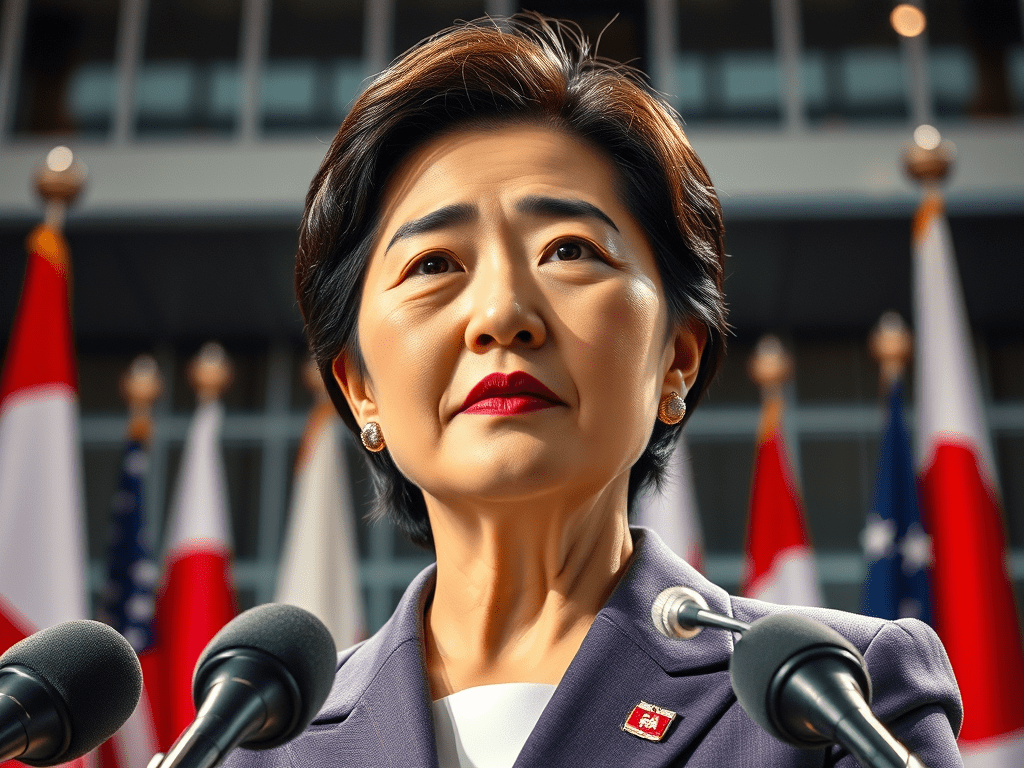
![[The Reality of Middle Power] US and China: “Superpowers” and “Multiple Weak Powers” on Fuji BS’ Prime NEWS](https://nagystephen.com/wp-content/uploads/2026/03/image-7.png?w=800&h=600&crop=1)



Something went wrong. Please refresh the page and/or try again.
![[The Reality of Middle Power] US and China: “Superpowers” and “Multiple Weak Powers” on Fuji BS’ Prime NEWS](https://nagystephen.com/wp-content/uploads/2026/03/image-7.png?w=1024)
 nagystephen.com
Leave a comment