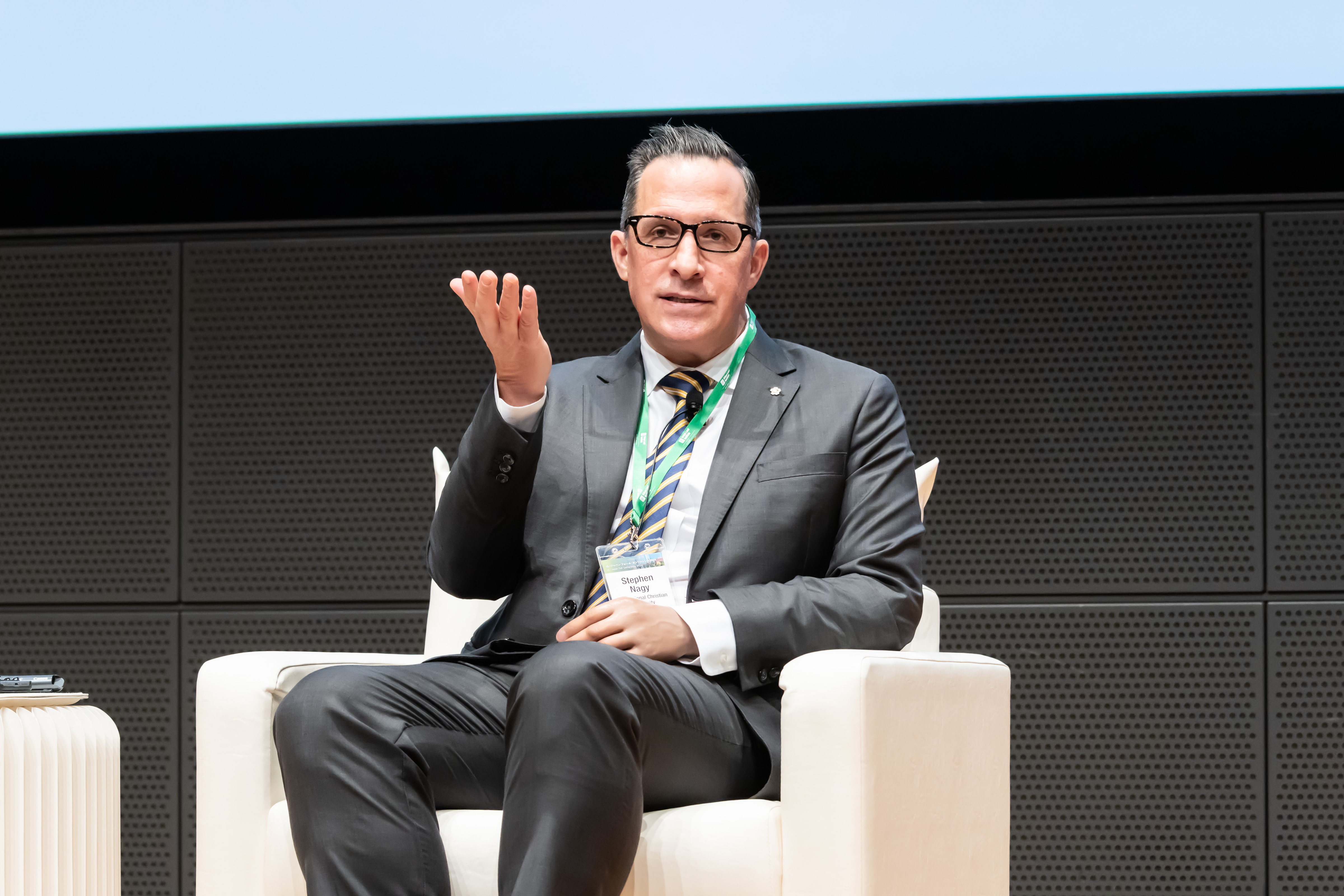
Question: What about China, Stephen? Because I think this is really the similar conversation that’s playing out in many other countries as well—really trying to diversify away from China. Can the Liberals and their approach to prioritize it—can it work this time around, or is it too embedded at the moment?
Stephen: Well, this is a really tough one. Because if you look at the western Canadian provinces, about 15 to 20% of their GDP is actually through trade with China, so they have a very, very good relationship. So for them to diversify away from China, it’s hard. But if you look at the eastern provinces—Ontario, Quebec—their trade relationship with China is fundamentally different, so diversifying is relatively easy.
So when you aggregate the whole country, put together, it’s not such an easy decision to say, “Let’s diversify away from China” or “Let’s diversify away from the United States.” The question is: where do you diversify to? Where are those markets going to be that will buy your products? And if we look at Canada where it is today—the U.S. relationship is not in good shape. Of course, the China relationship is not in good shape. And the Indian relationship is not in good shape.
So the question is: where does Canada diversify to? And again, this speaks to the challenges that the current Prime Minister is going to face as they try to find new trade partners, as the global trading system does change under the Trump administration.
Question: What would be some good partners in these new trade relationships that Canada would like to bolster down the road? I mean, it should be about defense spending and energy transition as well. Any good candidates that you see?
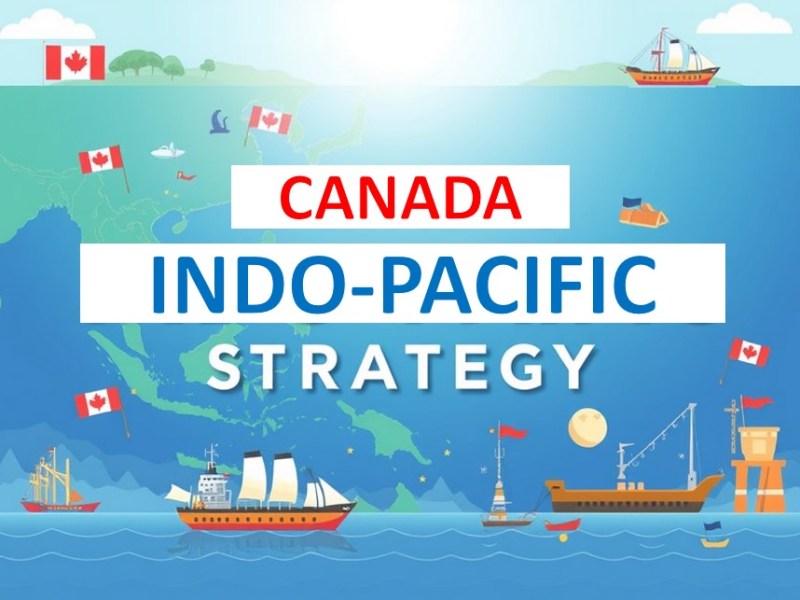
Stephen: In terms of trade, we’ve already seen some steps forward to engage with Southeast Asia. So, Canada signed an FTA—a free trade agreement—with Indonesia last year. I think this is a really good step forward. In the Canadian Indo-Pacific strategy, they’ve invested quite a bit of diplomatic bandwidth to try and expand trade ties with Southeast Asia. So that is going to be an important place for diversifying trade.
In terms of defense spending, even if the Liberals could double defense spending tomorrow, the challenge is getting that equipment online and getting the people to be working—on the ships, and in the military. So, we are challenged by the bottleneck in people, but we’re also challenged by the bottleneck in how long it takes to produce these very sophisticated technologies.
In that sense, I think Canada, looking for security partners, should already be partnering with like-minded countries—like Japan, like South Korea. I think it should continue to invest in its relationship with the United States. Because, bar none, this is the most important relationship for Canada.
And even if Mr. Trump is around for a third term, he’s not going to be around for a fourth term. That means Canada has to work with whoever’s in the White House, because that geographic relationship is just not going to change.
So reliable partners, looking to diversify to new markets like Southeast Asia, and again, trying to do those internal changes domestically—like removing inter-provincial barriers for trade—are going to be important for Canada to be more competitive and a more attractive place for investment.






![[The Reality of Middle Power] US and China: “Superpowers” and “Multiple Weak Powers” on Fuji BS’ Prime NEWS](https://nagystephen.com/wp-content/uploads/2026/03/image-7.png?w=1024)
 nagystephen.com
Leave a comment